Omnichannel Support: Uniting WhatsApp, Telegram, Web, and Instagram
Omnichannel support is one conversation, not scattered channels. See what it is, how it differs from multichannel, and how to unite your channels with AI.
SquadOS Team · June 8, 2026 · 7 min read
A customer messages you on WhatsApp in the morning, sends an Instagram DM in the afternoon, and opens the website chat at night. To them, it’s the same company and the same conversation. To most companies, it’s three different inboxes, three people answering, and nobody realizes it’s the same customer asking the same thing for the third time.
That’s where omnichannel support comes in. It’s not being on many channels, it’s making all of them work as one. This guide explains what real omnichannel support is, the difference between omnichannel and multichannel, why it matters to the customer, and how to unite WhatsApp, Telegram, web, and Instagram into a single conversation with AI on the front line.
What omnichannel support is
Omnichannel support means treating every contact channel as a single conversation, with the same history and the same context, no matter where the customer reaches out. The customer switches channels, the conversation continues. Whoever answers always knows who the person is and what they said before.
The word “omni” means “all.” The core idea is that the customer doesn’t think in channels. They think about “talking to the company.” If they started on Instagram and finished on WhatsApp, to them it was one conversation. Omnichannel support makes the operation see it the same way: one customer, one history, several entry points.
In practice, omnichannel ties three things together:
- The channels. WhatsApp, web, Telegram, Instagram, email. Wherever the customer already is, the company is there.
- The unified history. Everything the customer said, on any channel, lives in one place. Whoever answers reads the whole conversation, not a fragment.
- The consistent answer. The same question gets the same answer, in the same tone, whether in a DM or the website chat. The brand speaks one language.
Without this, each channel becomes an island. The customer repeats the story, gets different answers to the same question, and feels they talked to different companies. Omnichannel support fixes that by joining the islands into one continent.
Omnichannel is not the same as multichannel
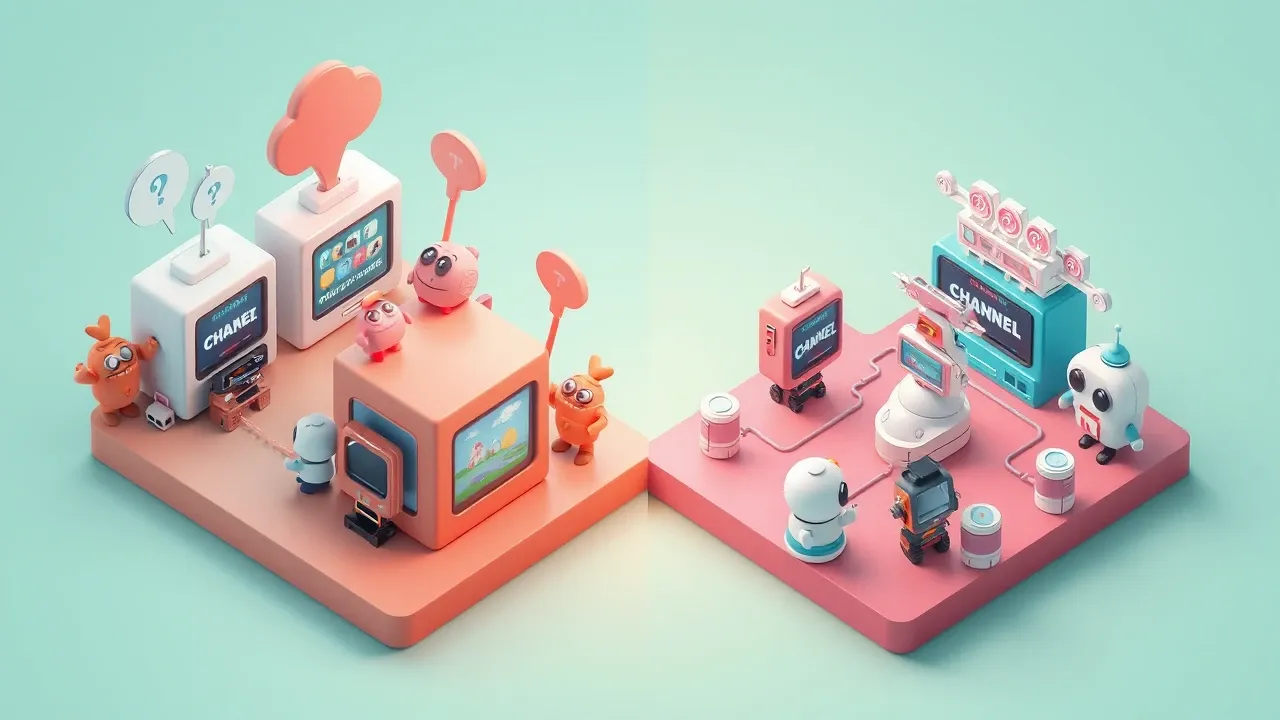
The difference is simple: multichannel is being on several channels, omnichannel is connecting those channels into one experience. Every omnichannel company is multichannel, but most multichannel companies are not omnichannel. And that gap is exactly what frustrates the customer.
Multichannel is the stage almost everyone is at. The company has WhatsApp, has Instagram, has website chat, has email. It looks modern, but each channel runs on its own: one team on WhatsApp, another on Instagram, separate spreadsheets, no shared history. The customer who moves between channels starts from scratch.
Omnichannel is the next step. The same channels, but connected:
- In multichannel, the customer explains the problem in the website chat, doesn’t get it solved, reaches out on WhatsApp, and has to explain everything again.
- In omnichannel, they reach out on WhatsApp and support already knows about the website conversation. It picks up where it left off.
The difference isn’t cosmetic, it’s structural. Multichannel multiplies presence and, unintentionally, multiplies fragmentation too. Omnichannel keeps the presence and removes the fragmentation. The customer feels a company that remembers them, not one that makes them repeat the story at every door.
Why omnichannel matters to the customer and the team
Omnichannel matters because it removes the biggest source of irritation in support: having to repeat yourself. For the customer, it’s the feeling of being recognized. For the team, it’s the end of working blind with half the context. Both win from the same change.
On the customer side, the gain is direct. Nobody likes explaining the same problem three times to three agents. When the company remembers what was already said, the conversation moves faster, the answer is sharper, and the feeling is one of being well cared for. That turns into loyalty. A customer who feels recognized comes back.
On the team side, the gain is efficiency:
- Less rework. Nobody wastes time pulling together context that already exists on another channel. The information is all in one place.
- Fewer errors. Conflicting answers across channels disappear when everyone draws from the same base and the same history.
- More visibility. You can see the whole customer, the full journey, instead of scattered fragments per channel. That improves both support and sales.
There’s also the effect on the AI. An AI agent working in an omnichannel environment is far more useful: it answers based on the customer’s full history, not just the last message. The automation gets smarter because it sees more. In a fragmented setup, the agent is as blind as the human agent who only sees one channel.
How to unite WhatsApp, Telegram, web, and Instagram with AI
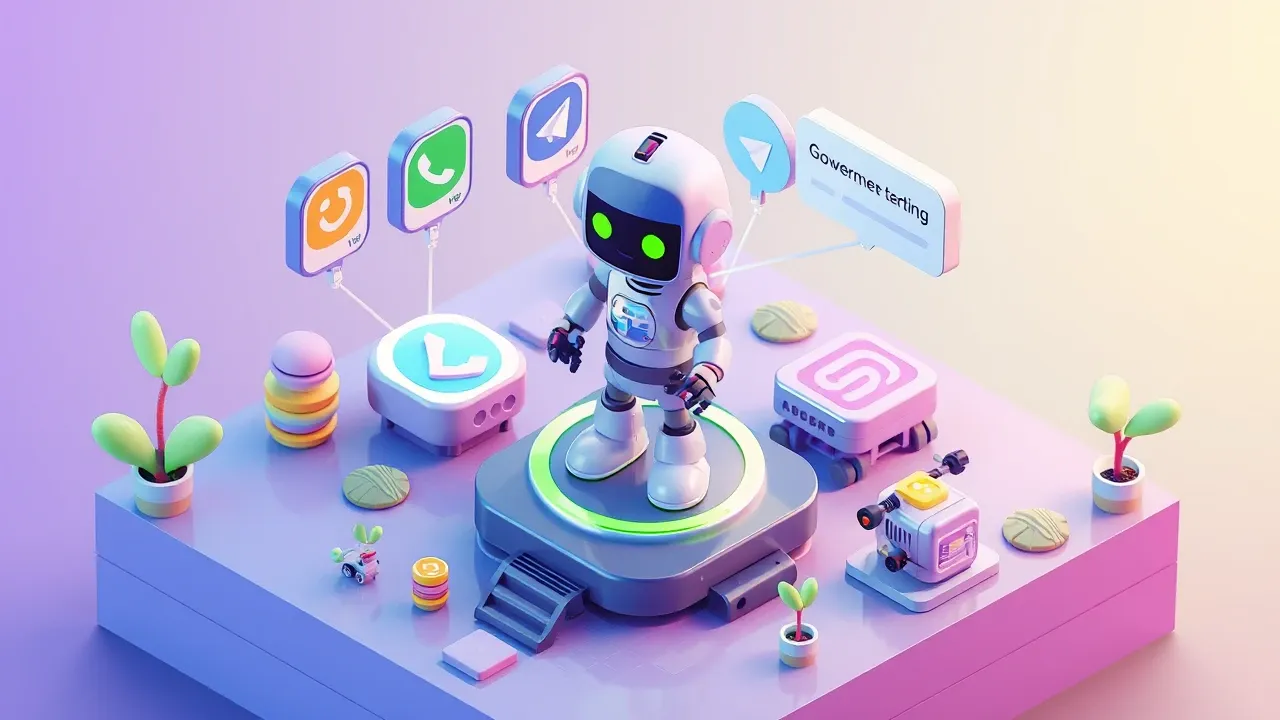
You unite the channels by connecting them all to a central platform where one AI agent handles support, with shared history and governance underneath. The customer reaches out wherever they want, the conversation is always the same, and the operation sees everything from one place.
The path isn’t to wire channel to channel by hand:
- Centralize the channels. Instead of a separate tool per network, connect WhatsApp, Telegram, web, and Instagram to a single environment. On a platform with native channels, that’s configuration, not development.
- Use one agent, not one per channel. The same AI agent serves every channel, with the same knowledge base and the same tone. The brand answers the same everywhere, without you maintaining four bots.
- Share the history. The customer who switches channels doesn’t restart. The agent and the team see the whole conversation, wherever it comes from.
- Keep governance and escalation. Anti-hallucination and PII guardrails apply across every channel, and human escalation works the same no matter the entry point.
The thing that changes the game is to stop thinking “I need a solution for WhatsApp, another for Instagram.” Omnichannel is the opposite: one solution, several doors. The fewer loose pieces, the less fragmentation, and the closer the customer gets to feeling they’re talking to a single company.
Want to serve every channel as if it were one? On SquadOS you build an external agent in AgentMaker and connect WhatsApp, Telegram, web, and more as native channels, with the same knowledge base and the same tone. The customer reaches out wherever they want, the conversation continues, and every interaction stays audited and governed in one place.