24/7 AI Support: How to Scale Service Without Growing Headcount
24/7 AI support answers customers any hour without doubling your team. See how AI scales service, what it handles on its own, and how to build yours, no code.
SquadOS Team · June 8, 2026 · 7 min read
Customers do not pick a convenient hour to have a problem. They message you at eleven at night, on a Sunday, on a holiday, and they expect an answer. The human team is not working then, and hiring people to cover overnight and weekends is expensive and still leaves gaps. So the message sits there, the customer cools off, and by Monday morning the queue is already huge.
24/7 AI support fixes that math. An agent answers any hour, on the channel the customer already uses, without you doubling the team or paying for night shifts. The AI handles the repeated volume all night and hands the human only what needs a person, for when the team is back. This guide covers what real 24/7 AI support is, how it scales service without growing headcount, what AI handles on its own, and how to build yours without it becoming an IT project.
What 24/7 AI support is (and what it is not)

24/7 AI support means having an agent that understands the customer’s question in natural language and answers with the right information at any hour, not an automatic “we are closed” notice. The difference is simple: one solves the customer’s problem on the spot, the other just pushes them to tomorrow.
People often confuse real 24/7 with three things it is not:
- It is not the away message. “We are open 9 to 6, we will get back to you soon” is not support, it is a request for patience. The customer is still without an answer.
- It is not the menu chatbot. “Press 1 for support, 2 for sales” runs around the clock, but breaks on the first off-script question. Being online is not the same as serving.
- It is not the FAQ page. A page of frequent questions is always there, but the customer would have to leave the conversation, search, and read. Support is answering where they asked.
24/7 AI support is the person messaging at two in the morning, being understood, getting the right answer from the company’s knowledge, and resolving what they needed. When it is a case for a human, the agent logs everything and leaves it ready for the team in the morning, with no need for the customer to repeat the story. That is real availability, not a “closed” sign.
How AI scales support without growing the team
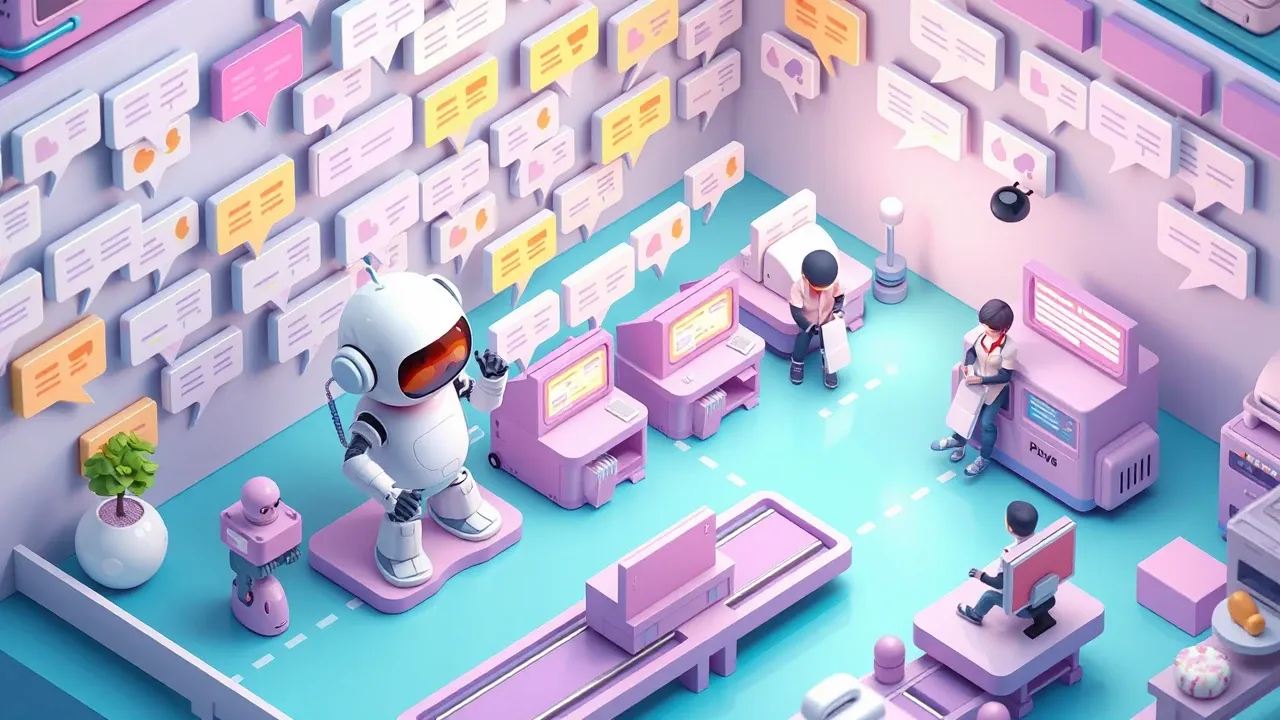
AI scales support because it handles many conversations at the same time without losing quality and without costing a hire per channel. Where a human agent holds one conversation at a time, the agent holds hundreds in parallel, and that changes the math of support.
The old math was brutal: more customers meant more agents, more shifts, more fixed cost. Every new hour of coverage was a new salary. Covering 24 hours required three shifts of people, and even then the overnight stretch was expensive and empty. Support became a cost center that grew right alongside the company, with no ceiling.
With AI on the first tier, the math flips:
- Repeated volume leaves the human queue. Most messages are the same question as always. The agent solves that on the spot, and what reaches a human drops sharply.
- Coverage stops depending on shifts. The agent does not sleep, does not take time off, and does not ask for overtime. Overnight, Sunday, and holidays get covered with no on-call rotation.
- The human team levels up. Instead of spending the day on “what are your hours?”, the team focuses on the hard case, the big sale, the customer who needs a person. The same team delivers more.
The result is not firing the support team. It is no longer growing the team in lockstep with the volume. The company serves more customers, better, at any hour, with the team it already has, focused on what truly needs a human.
What AI handles on its own and when it hands off
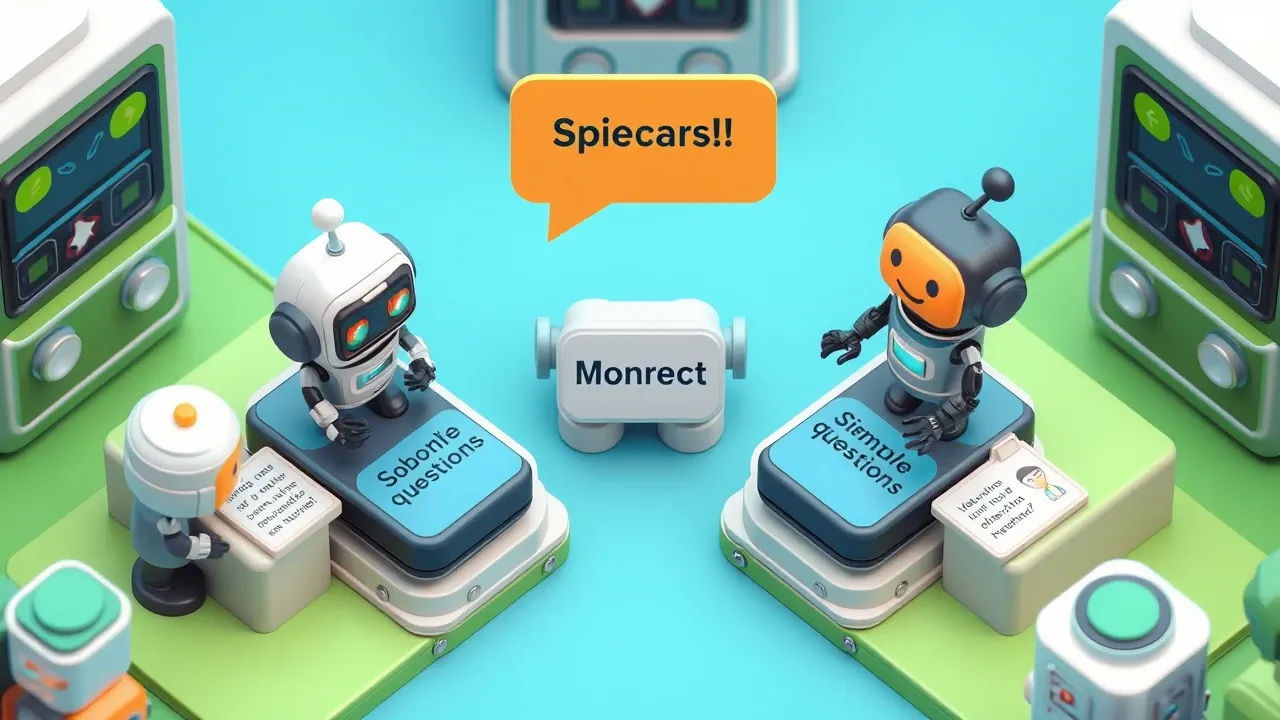
AI handles on its own what is repeated and information-based, and hands off to a human what needs judgment, a decision, or finesse. Splitting those two piles well is what separates 24/7 support that works from one that annoys the customer.
What the agent solves without help:
- Frequent questions. Hours, address, timelines, payment methods, return policy. Answered on the spot, any hour.
- Status and tracking. “Where’s my order?”, “when does it arrive?”. The agent checks the system and answers with the real data.
- Product information. Details, comparisons, availability, the first layer of a sale.
- Simple self-service tasks. A duplicate copy, a record update, scheduling. The customer resolves it in the chat, no queue.
What it hands to a human, at the right moment:
- An upset or frustrated customer. When the tone shifts, the priority is a person, not a bot trying to calm them with a script.
- An off-pattern case. A problem that is not in the knowledge base, an exception, a situation that needs analysis.
- A risk decision. An off-policy discount, a sensitive cancellation, anything that puts the company on the hook.
The detail that makes it work is a clean handoff. The agent does not try to solve what it cannot. It recognizes the limit, passes it to the right agent, and carries the conversation context along, so nobody starts from zero. The customer feels continuity, not a cold transfer. Good 24/7 support is not the AI doing everything, it is the AI doing its part and knowing when to call a person.
How to build 24/7 support people trust
You build trustworthy 24/7 support by describing the agent, uploading the company’s knowledge, and connecting the channels, all with guardrails and an audit trail underneath. Availability without trust is worse than no support: a loose agent answers fast and errs fast, in front of the customer.
The practical path is short and does not go through code:
- Define what the agent handles. The scope, the brand’s tone, what it solves on its own and what it escalates. Start focused on one channel and one type of support, expand later.
- Upload the knowledge base. Catalog, policies, FAQ, timelines. This is where the right answer comes from. Good knowledge is what keeps the AI from guessing.
- Connect the channels where the customer is. WhatsApp, website, Telegram. On a platform with native channels, that is configuration, not development.
- Switch on the guardrails. Anti-hallucination so it does not invent a deadline or a policy, personal-data protection, a locked tone of voice. That is what lets you trust the machine answering overnight, with nobody watching.
- Track and adjust. See where the agent landed and where it slipped, fix the knowledge and the instruction. Support gets good in real use, with continuous correction.
The thing that surprises most: whoever understands support builds the agent, with no IT queue. The barrier stopped being technical. The work became defining clearly how support should run, and the AI takes the shift nobody wants.
Want to serve your customers any hour without doubling the team? With SquadOS you build the external agent just by chatting: describe the support flow in AgentMaker, upload your knowledge base, connect WhatsApp, website, and Telegram as native channels, and switch on the anti-hallucination, PII, and tone-of-voice guardrails. The agent serves 24/7, with an audit trail for every conversation, and escalates to your team only what needs a person.