What Is an AI Agent: Chatbot vs. Assistant vs. Agent
What is an AI agent and how it differs from a chatbot and an assistant. Understand goal, tools, and autonomy, with practical examples by department.
SquadOS Team · June 4, 2026 · 7 min read
“AI agent” has become the term of the moment, and like every buzzword, it gets slapped on everything. Companies are calling their old chatbot an agent just to sound modern. Then a manager tries it, sees the same stuck menu bot as always, and concludes that “this agent thing is just marketing.” It is not.
There is a real difference between a chatbot, an assistant, and an agent, and it changes what each one can do for your company. This guide explains what an AI agent actually is, how it separates from its simpler cousins, and where it delivers value the others cannot.
What an AI agent is, in one sentence
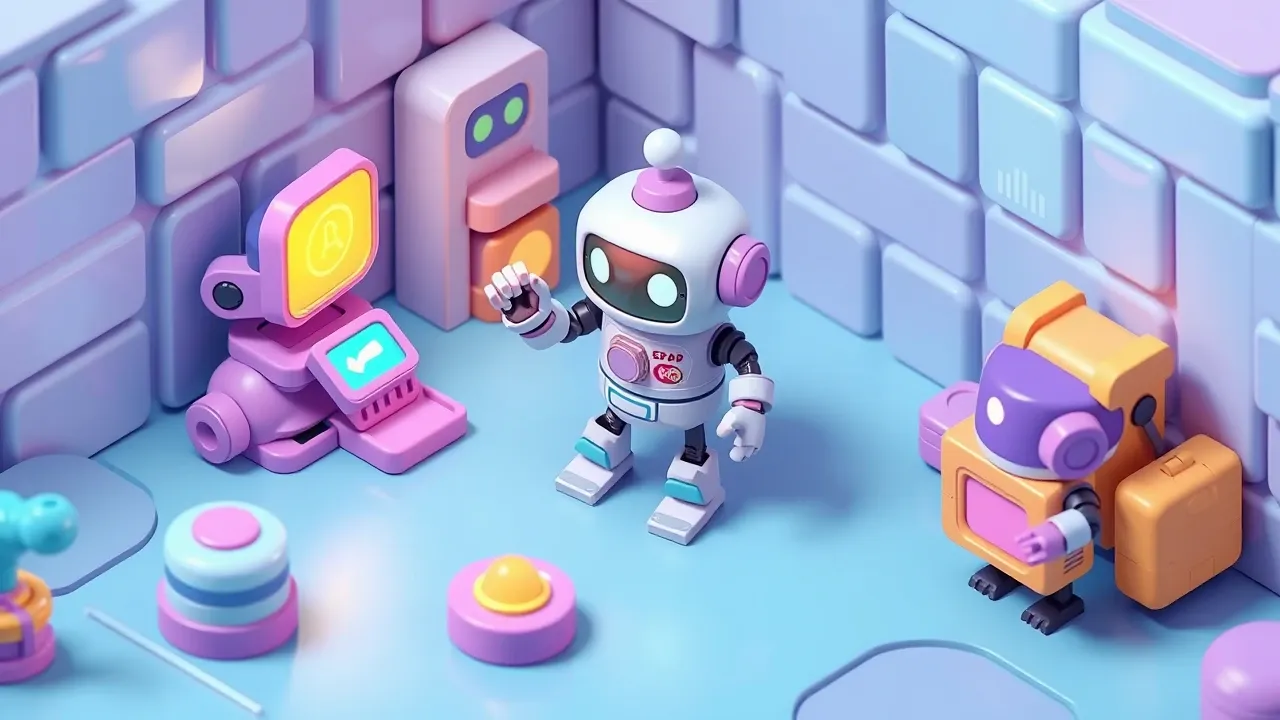
An AI agent is software that takes a goal and acts on its own to reach it: it decides the steps, uses tools and systems, and adjusts course based on the result, instead of just answering one question at a time. The key word is act. A chatbot talks; an agent executes.
Think of the difference between someone who hands you information and someone who gets the task done for you. If you ask “what is the status of order 4821?”, a bot gives you the answer. An agent, told “resolve the issue for the customer on order 4821”, checks the system, spots the delay, fires off the notification, offers a coupon within policy, and logs everything in the CRM. Same starting point, completely different level of action.
Three things define an agent:
- It has a goal, not just a question. It works toward an outcome, not back an isolated answer.
- It uses tools. It queries systems, calls integrations, takes real-world actions (sends a message, opens a ticket, updates a record).
- It has the autonomy to chain steps. It decides the next move based on what it found in the last one, with nobody scripting each stage.
Chatbot vs. assistant vs. agent: the difference that matters

The difference between a chatbot, an assistant, and an agent is the degree of autonomy and the ability to act. They range from “follows a fixed script” to “pursues a goal on its own.” Understanding all three keeps you from buying one thing while thinking it is another.
A chatbot is the simplest. It follows pre-defined rules and flows: “press 1 for a copy of your bill, 2 to talk to an agent.” It does not understand, it matches. It works for predictable questions and breaks at the first thing off-script. It is the “menu bot” everyone has already cursed at.
An assistant understands natural language and actually responds. You ask in your own words and it grasps the intent, pulls information, and returns a useful answer. It is ChatGPT replying, the assistant that summarizes a document. It is reactive: it waits for you to ask, answers, and stops. Great for information, but it does not touch systems or run tasks on its own.
An agent understands and acts. It takes a goal, builds the plan, uses tools to execute, and keeps going until it is done, handling the surprises along the way. It does not wait for the next question: it makes it happen. It is the difference between “tell me how to cancel this subscription” and “cancel this subscription for me.”
| Type | Understands language? | Acts in systems? | Pursues a goal? |
|---|---|---|---|
| Chatbot | No (follows a script) | Limited | No |
| Assistant | Yes | No | No (reactive) |
| Agent | Yes | Yes | Yes |
The market confusion comes from here: plenty of tools sell an “agent” and ship a chatbot. The test is simple. Ask what it does, not what it answers. If the reply is “it answers questions,” it is an assistant. If it is “it resolves the task end to end,” now it is an agent.
What makes an agent an agent
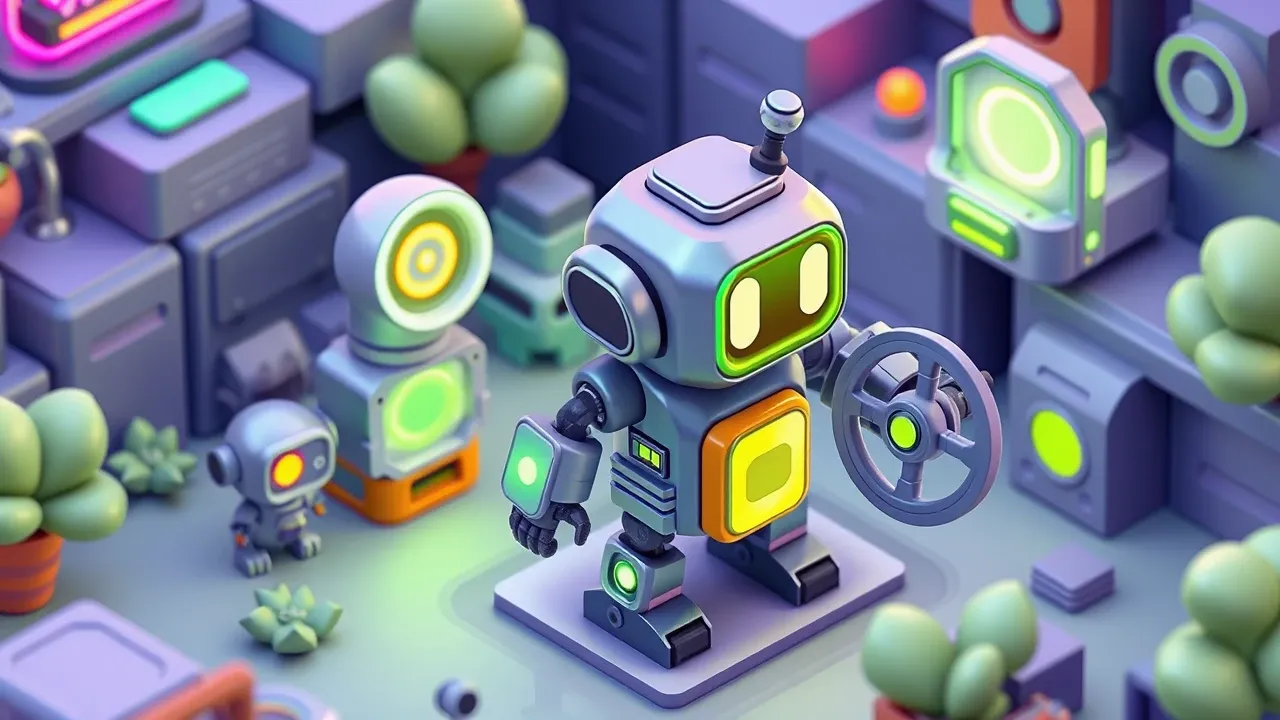
What turns an AI into an agent is four components working together: goal, tools, memory, and autonomy. Remove any one and you fall back to an assistant or a chatbot.
- Goal. The agent receives an outcome to reach, not one instruction at a time. “Qualify this lead,” “resolve this ticket,” “reconcile these entries.” It understands the destination and figures out how to get there.
- Tools (integrations). This is what gives the agent arms. Access to the CRM, to WhatsApp, to the database, to the ticketing system. Without tools, it only talks; with them, it does. An agent is only as capable as the integrations it has.
- Memory. It remembers the context: the conversation so far, the customer’s history, what it already tried. Without memory, every interaction restarts from zero and it repeats mistakes. With it, it builds on what it already knows.
- Autonomy. The ability to decide the next step on its own. Found a missing piece of data? It goes get it. The first approach did not work? It tries another. Within the limits you set, it moves without asking permission at every step.
The fifth element, which is not optional in a company, is the guardrail. Autonomy without limits is risk. Guardrails define what the agent can and cannot do: how far it decides alone, when it stops and calls a human, what data it never touches. A real enterprise agent is autonomous inside a clear fence, not loose.
Where an AI agent creates value in a company

An AI agent creates value wherever there is repetitive work that spans several steps and several systems, not just one answer. That is where autonomy and tool use justify the difference from a plain assistant.
Cases where the agent shines:
- Support that resolves, not just answers. Instead of reporting the status, the agent checks the order, identifies the problem, applies the fix within policy, and closes the case. It escalates to a human only the exception.
- Sales that run themselves up to the close. The agent qualifies the lead, answers questions, schedules, follows up at the right time, and hands the rep a warm deal. Many steps, zero forgetting.
- End-to-end internal processes. Reconciliation, ticket creation, employee onboarding. Tasks that cross systems and follow rules, exactly the kind of thing that tires people out and AI executes without fail.
Where an assistant or chatbot still suffices: a simple single-answer question, an FAQ, an information lookup. You do not need an agent to answer “what are your hours.” Using an agent for everything is over-engineering; the value appears when the task has steps, a decision, and a system in the middle.
The good news is that building an agent no longer requires an engineering team. Chat-to-build platforms let you describe the goal, connect the tools, and set the guardrails in plain language, and the agent comes out ready to work.
Want to see a real agent working in your company, not another menu bot? With SquadOS you build agents by chatting: describe the goal in AgentMaker, connect your systems through 100+ native integrations, and set the guardrails, without writing a line of code. They act in WhatsApp, on your site, and across internal processes, with autonomy inside the limits you draw and an audit trail on every step.