AI in Legal: Contract Review and Internal Q&A Done Securely
AI in legal speeds up contract review and answers internal questions safely. See what it handles, what it should never do alone, and how to run it without exposing data.
SquadOS Team · June 5, 2026 · 6 min read
Legal teams drown in text. Contracts to review, clauses to compare, the same question about an internal policy landing for the tenth time this month. It takes a sharp mind, but a big chunk of it is repeated reading and lookup, not actual judgment.
AI in legal exists to lift that repeated layer off the lawyer’s desk. The AI reads the contract, flags what falls outside the norm, answers the recurring question, and leaves the professional free for the calls that genuinely need a human. This guide covers what AI handles in legal, what it should never do alone, and how to run it without exposing sensitive data.
What AI does in legal (and what it does not)
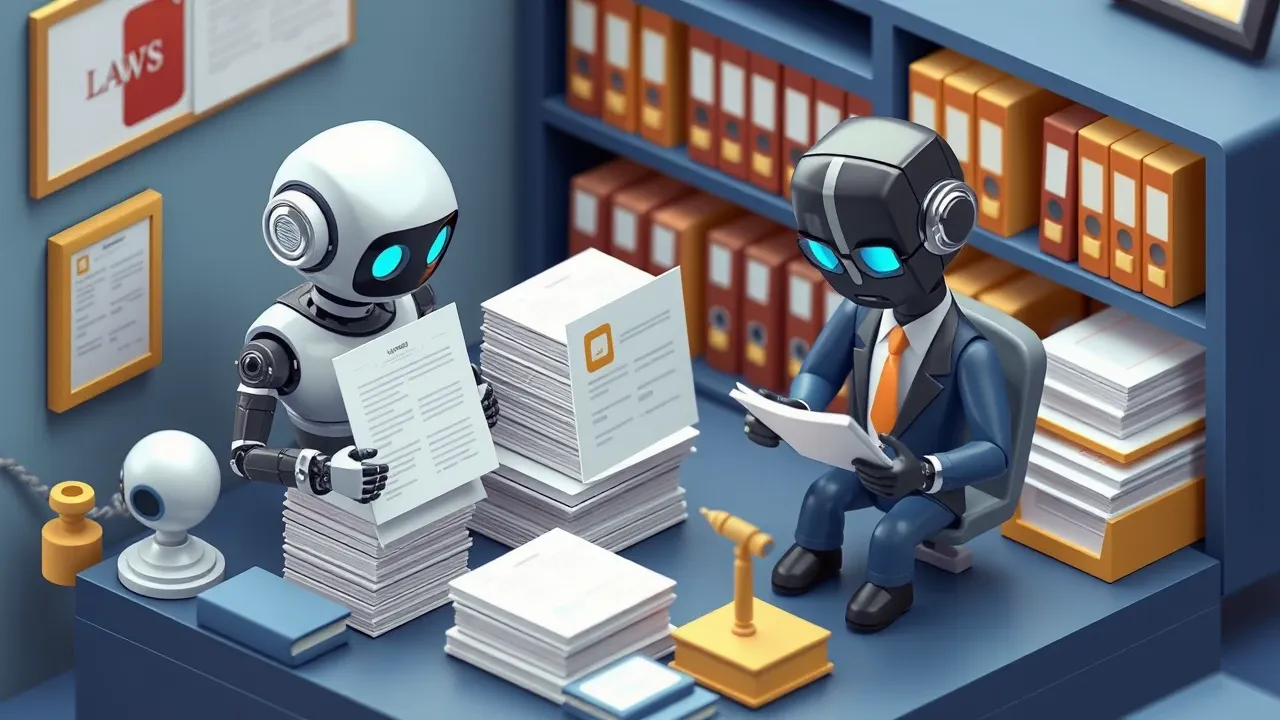
AI in legal handles the reading, lookup, and first pass: it reviews contracts, extracts information from documents, answers questions about policies, and prepares drafts. What it does not do is make the final legal call, that stays with the lawyer.
In practice the use splits into two clear tracks:
- Document review and analysis. Reading contracts, spotting non-standard clauses, comparing versions, summarizing a long case file, extracting deadlines and obligations.
- Internal Q&A. Answering the recurring question the team sends to legal (“can I sign this NDA?”, “what’s the notice period on this?”, “is this clause our standard?”).
The limit matters just as much. AI does not replace a legal opinion, does not take on risk, and does not decide what to accept in a negotiation. It does the first pass and organizes the information. The lawyer reviews, adjusts, and owns the outcome. Treat AI as an advisor that decides on its own and you are asking for trouble. Treat it as a fast assistant that clears the ground and you free up real hours.
Contract review with AI
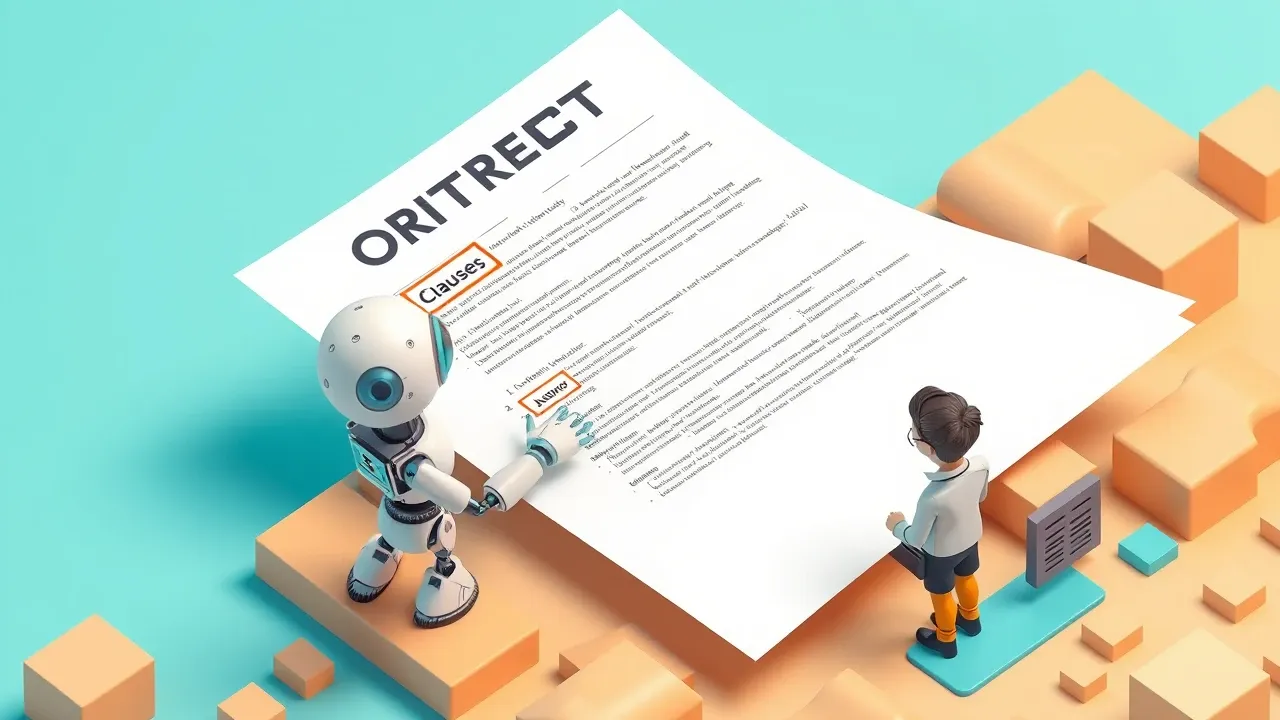
Contract review with AI works by comparing the document against the company’s standard and flagging what deviates. Instead of reading all 30 pages line by line, the lawyer gets a map of what deserves attention and goes straight to what matters.
What AI can do in a review:
- Flag non-standard clauses. If the company has a contract template, the AI compares and points out where the counterparty changed, removed, or added language.
- Extract deadlines and obligations. Renewal dates, breach penalties, notice periods, adjustment terms. Everything scattered through the text becomes a clean list.
- Surface risk. Open-ended liability, an inconvenient jurisdiction, exclusivity nobody agreed to. The AI calls out what tends to cause headaches later.
- Compare versions. Counterparty sent a redline? The AI shows exactly what changed from the previous version, with nobody hunting for differences by hand.
The win is not the AI “approving” the contract. It is cutting the mechanical reading time and making sure nothing slipped through. A contract that took an hour to review carefully becomes a directed review of a few minutes, with the lawyer focused on the three or four clauses that actually need a decision.
Internal Q&A: the legal team that answers on its own
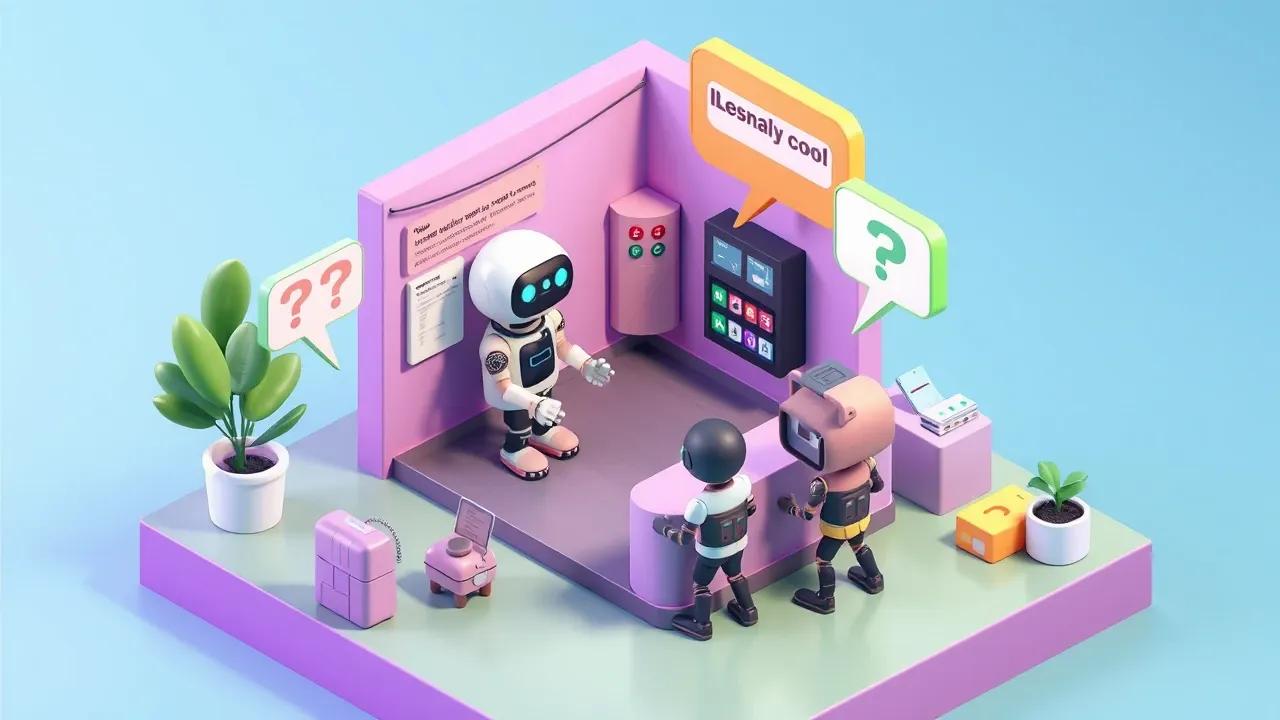
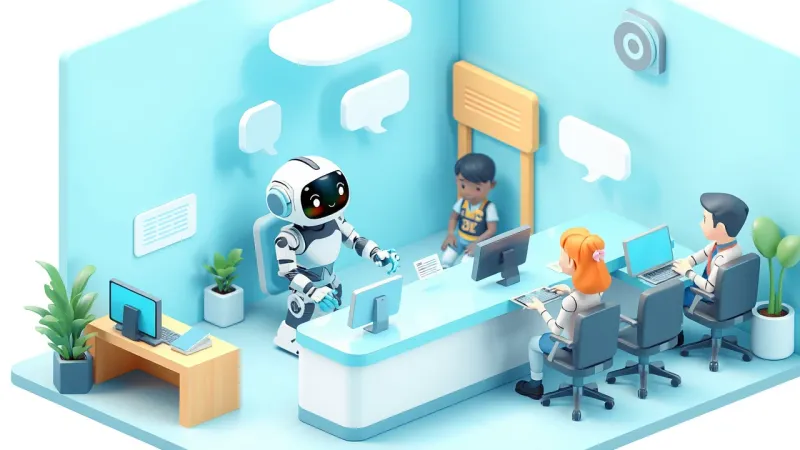
An AI agent answers the team’s recurring legal questions directly, pulling from the company’s own policies and templates. Most of what reaches legal is not a new case, it is the same question again, and AI handles that without tying up a lawyer.
Think about the volume that disappears when AI takes the first layer:
- “Can I sign this client confidentiality agreement?”
- “What’s the termination notice on our services contract?”
- “Is this non-compete clause our company standard?”
- “Do I need legal approval for this kind of purchase?”
Instead of becoming an email that waits two days for a reply, the question gets answered on the spot, grounded in the right material. The agent pulls from the company’s legal knowledge base (policies, templates, prior decisions) and answers in the channel the team already uses, whether that is WhatsApp, internal chat, or email.
The detail that makes it work: the AI answers the recurring stuff and escalates to a human on the exceptions. Standard question, automatic answer. Edge case, the agent recognizes it as an edge case and routes it to the lawyer with the context already organized. Legal stops being the bottleneck for obvious questions and gets time back for the hard ones.
How to do it securely
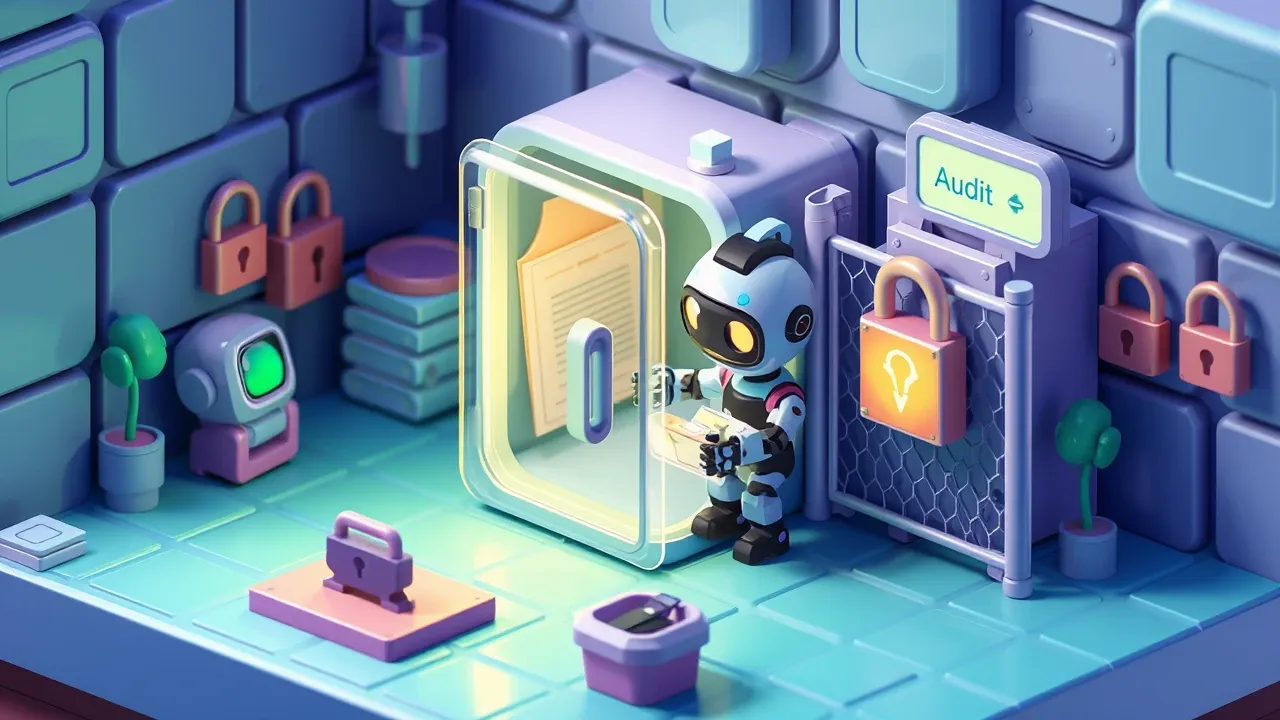
You use AI in legal securely by running everything in a governed environment, where every access is controlled and every conversation is logged. Legal documents are among the most sensitive data a company holds, so how the AI touches that material matters as much as what it does with it.
The non-negotiables:
- No personal tools. Pasting a contract into personal ChatGPT pushes confidential data outside the company’s control. Legal use has to happen inside a corporate environment, with a clear rule for where the data lives.
- Access control. Not everyone gets to see every contract. The AI has to respect the same permissions the company already applies to documents, not bypass the hierarchy.
- An audit trail for every conversation. Knowing who asked what, what the AI answered, and which document it relied on. Without a record, there is no way to trust it or correct it.
- Guardrails against sensitive data. PII and confidential-information protection, so the AI does not leak in one place what belonged in another.
- A human in control of decisions. The AI prepares, the lawyer decides. No guardrail replaces the final review of whoever owns the risk.
Without that structure, AI in legal trades efficiency for exposure, and in legal, exposure is expensive. With the right structure, the team gains speed without giving up the control the function demands.
Want to give your legal team that first pass without exposing sensitive documents? With SquadOS you build a legal agent just by chatting: describe in AgentMaker what it reviews and answers, upload your contract templates and policies as a knowledge base, and run it all in a governed environment with access control, an audit trail for every conversation, and native PII guardrails. The lawyer keeps the decision, the AI takes the reading.