Confidential Data in AI: 7 Ways to Prevent Leaks
AI data leaks almost always come from everyday use with no control. See 7 ways to protect confidential information and the one mistake that undoes them all.
SquadOS Team · June 1, 2026 · 6 min read
An AI data leak is almost never a hacker breaking into the server. It is your best analyst pasting a contract into personal ChatGPT to “summarize it fast.” The data left, nobody logged it, and it might now be training another company’s model.
The good news: you can use AI on serious data without becoming a headline. Here are the seven ways to prevent leaks, and the one mistake that single-handedly undoes them all.
How confidential data leaks into AI
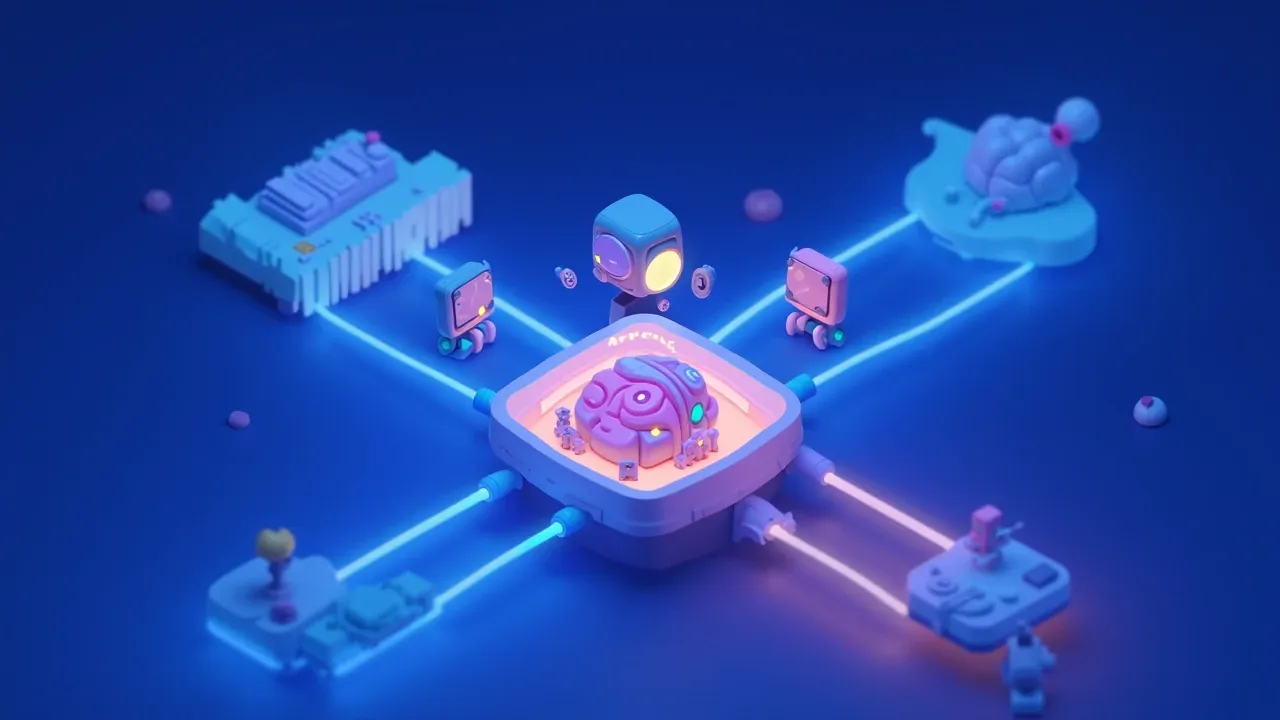
Before the practices, understand where data escapes. There are three paths.
Through the prompt. The most common one. Someone pastes customer data, a contract, or code straight into the chat. If the tool has no contract with the company, that data went to a third party with zero control. An everyday example: someone pastes the customer email list so the AI can “remove duplicates.” Just like that, the contact base left the company.
Through training. Some tools use what you type to train their model. Without a no-training agreement, your information can resurface as an answer for another user down the line. It is the classic risk of pasting proprietary code into a model that learns from input: what was yours becomes everyone’s training material.
Through the lack of a record. Even when nothing leaks, the absence of logs is a hole. If you don’t know who sent what, you can’t respond to an incident or prove compliance.
Almost every leak runs through one of these three. The practices below close all three.
7 ways to prevent data leaks
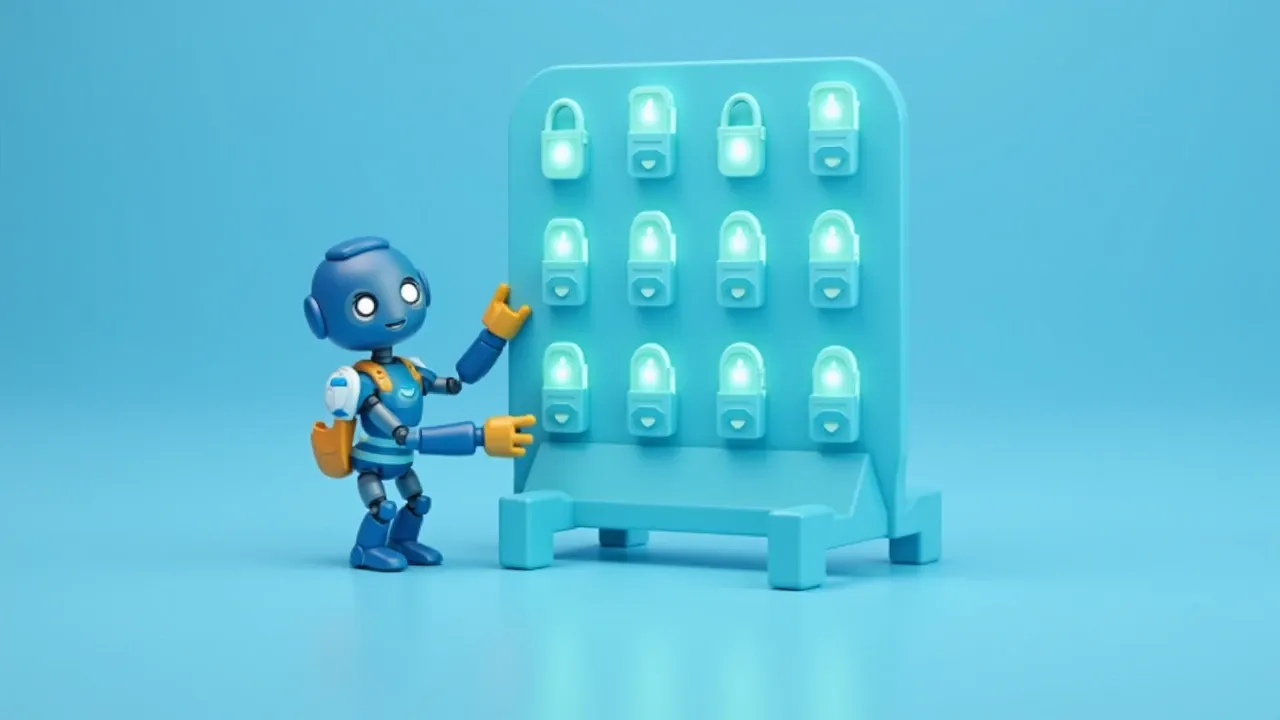
1. Classify your data first
You don’t protect everything the same way. Sort it into public, internal, and confidential. Marketing material can go into any AI. Contracts, customer data, and proprietary code only enter an environment with a contract and controls. Without that split, all data is treated as equal, and the confidential bits are what pay the price.
2. Get AI out of personal accounts
As long as everyone uses their own ChatGPT account, you don’t have governance, you have luck. Centralize AI access in a single company environment. Then you control which tools exist, under a contract in the company’s name, instead of depending on each person’s goodwill.
3. Minimize what you send to the model
Send only what is needed. To summarize a contract, the AI does not need the parties’ ID numbers. To analyze a sales pattern, it does not need the customer’s name. Anonymize, mask, or strip personal data before sending. Less exposed data, less risk.
4. Turn on sensitive-data guardrails
People forget. Policies stay in the drawer. A guardrail runs every time. A filter that detects and blocks IDs, emails, card numbers, and other sensitive data before they reach the model turns “I hope nobody slips” into “the system won’t let them.”
5. Use models with a no-training agreement
Check whether the tool uses your data to train its model. In a corporate setting, you want the opposite: an explicit contract that your information never becomes training material. That is the difference between data staying in your company and data becoming public knowledge.
6. Audit every conversation
A record is not distrust of the team, it is the company’s insurance. With a history of who used what, when, and with which data, you respond to an incident in minutes and prove compliance when asked. Without a record, any suspicion becomes an investigation in the dark.
7. Train the team with real examples
Most leaks are honest mistakes. People don’t know that a given use was dangerous. Show concrete examples: “this is fine, this is not.” Five minutes of a real example beats ten pages of a policy nobody reads.
Where to start if you can only do one thing
If you could only do one of the seven right now, do number 2: get AI out of personal accounts. It alone solves half the problem, because it puts the other six within reach. Without central access, classifying data, masking PII, and auditing conversations all depend on each person’s goodwill. With central access, they become a setting that runs for everyone, all the time. It is the highest-return data-protection investment available today.
The mistake that undoes every practice

You can nail all seven and still leak data if you make one foundational mistake: leaving AI scattered across tools and accounts the company does not control.
Policy, training, and good intentions all depend on each person remembering and choosing to comply. One analyst in a hurry is enough to break the chain. As long as AI access does not run through a single governed point, classification becomes a suggestion, guardrails become optional, and audits have no data to audit.
The fix is structural, not behavioral. Centralizing AI access in a company environment turns the seven practices from a “request” into a “default.” The right tools are there. The guardrails run on their own. Every conversation is logged. The analyst in a hurry is still in a hurry, but now the environment won’t let the data leak.
What to do if confidential data has already leaked
If you find that sensitive information ended up in an uncontrolled tool, act fast and in this order:
- Contain it. Revoke access, rotate any exposed credentials, and stop using the tool involved.
- Size it up. Who sent it, what data, where it went, and when. This is where having a record saves the day.
- Assess the legal duty. If personal data is involved, it may trigger a duty to notify the data subject and the regulator. Loop in whoever owns data protection.
- Close the gap. Treat the cause, not just the symptom. The cause is almost always AI running outside a controlled environment.
A company with a record and central access does all four in an afternoon. One without spends weeks trying to figure out what happened, and still risks never finding out.
That structure is what SquadOS provides: a governed internal hub, with native guardrails against sensitive data and an audit trail for every conversation. The seven practices stop depending on individual discipline and become the way AI simply works at your company.