
AI Guardrails: Preventing Hallucinations and Off-Tone Replies
AI guardrails are the rules that stop an agent from making things up, leaking data, or breaking tone. See the types every company needs and how to apply them.
SquadOS Team · June 2, 2026 · 5 min read
An unguarded AI agent does three things that scare any company: it invents answers that look true, it repeats sensitive data it should not, and it talks to customers in a tone that is not the brand’s. Not out of malice. It is just what a language model does when nobody set a limit.
A guardrail is that limit. It is the difference between an AI you can put in front of a customer and one you pray nobody tests. This guide explains what AI guardrails are, the risks they cover, and how to apply them without turning it into a never-ending IT project.
What AI guardrails are
AI guardrails are the rules and checks that control what an agent can say and do. They work like the barriers on a road: they do not drive the car, but they keep it from leaving the lane.
In practice, a guardrail acts at two moments. Before the agent answers, it checks the question and context (is this allowed? is there sensitive data here?). After the answer is generated, it reviews the output (is this grounded? is the tone right? did anything leak?). If something breaks a rule, the guardrail blocks, corrects, or escalates to a human instead of letting it through.
The key idea: a guardrail does not make AI “dumber.” It makes AI trustworthy enough to actually use. Without one, any agent is a pretty prototype that nobody in leadership lets near a real customer.
The risks of AI with no guardrails
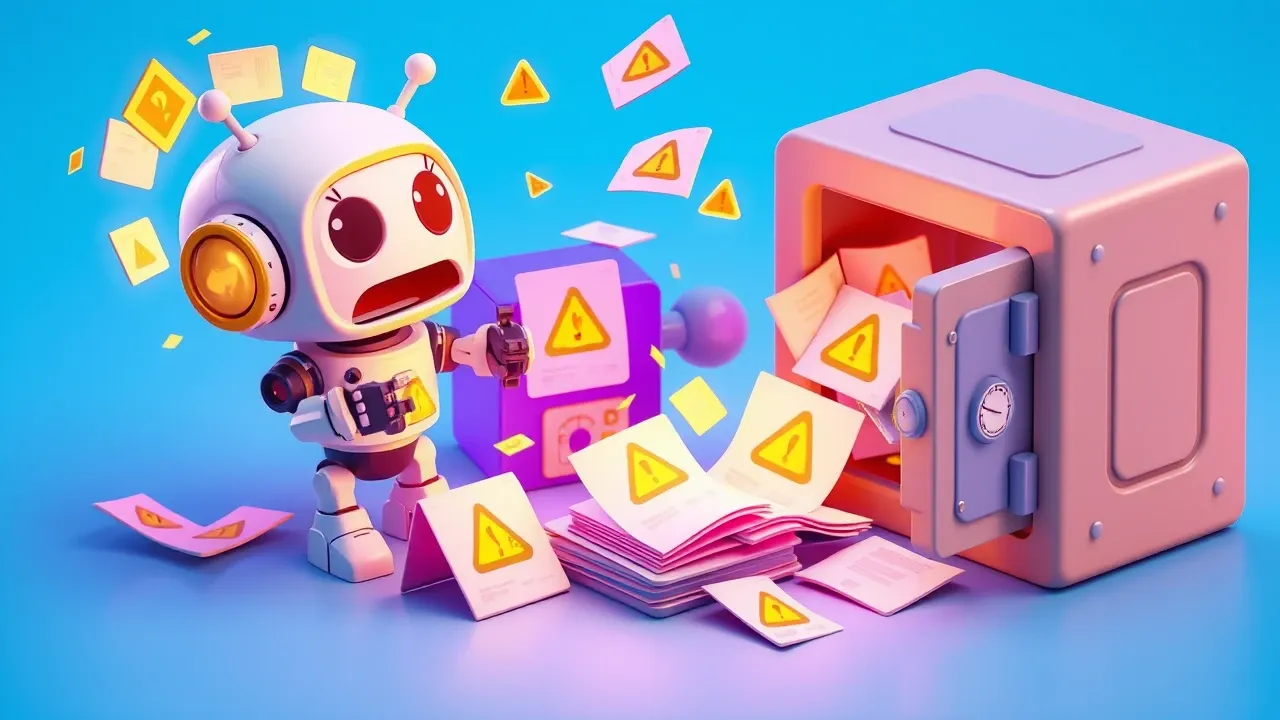
Without guardrails, three problems show up early, and any one of them burns trust in the AI project.
Hallucination. The model produces an answer that looks correct and is wrong. It invents a return policy that does not exist, cites a number that was never true, promises a deadline the company cannot meet. The customer believes it, because it sounded confident. The damage comes later.
Sensitive data leaks. The agent repeats an ID number, a contract detail, or internal information that showed up somewhere in the context. In customer support, that is a privacy incident. Under GDPR or LGPD, it is a serious problem.
Off-brand tone. The AI answers curtly when it should be warm, or too casually on a delicate topic. The personality the company spent years building disappears, and every conversation becomes noise on the brand.
What the three share: they do not show up in testing. They show up in production, with a real customer, at the wrong moment. That is why a guardrail is not final polish, it is a prerequisite for putting AI in front of anyone.
The types of guardrail every company needs
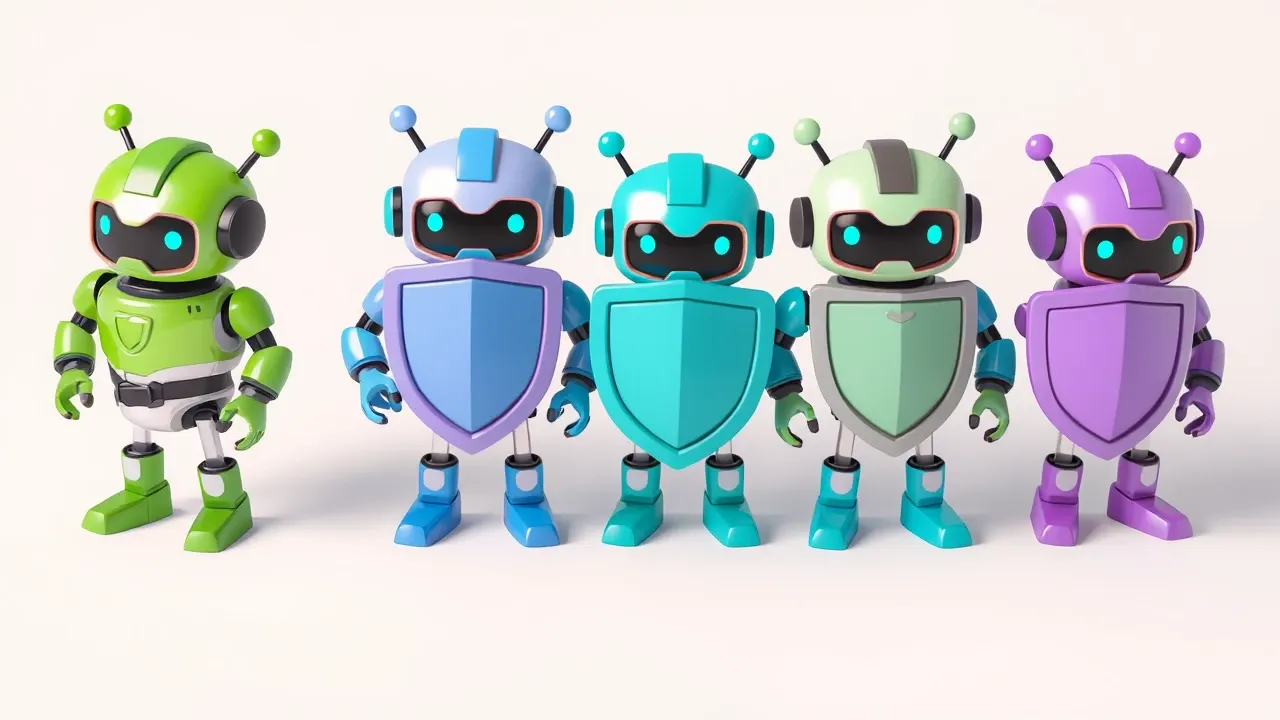
A guardrail is not one thing. It is layers, each covering a different risk. Four cover most cases.
- Anti-hallucination (grounding). The agent only answers based on what it has (a company knowledge base, a document, a trusted source). When it does not know, it says so or hands off to a human instead of inventing. This is the guardrail that protects trust the most.
- Data protection (PII). Detects and blocks personal and sensitive data, on input and output. It keeps confidential information from being exposed or used where it should not be.
- Compliance. Keeps the agent inside industry and company rules: what it can promise, what it cannot advise on, which topics require a human. Essential in regulated areas like finance, healthcare, and legal.
- Tone of voice. Makes sure every reply sounds like the brand, in the formal or casual style the company chose, across any channel.
The practical rule is simple: start with the anti-hallucination and PII guardrails, which cover the two most expensive risks, then add compliance and tone as the agent moves into more sensitive contexts.
How to apply guardrails in practice
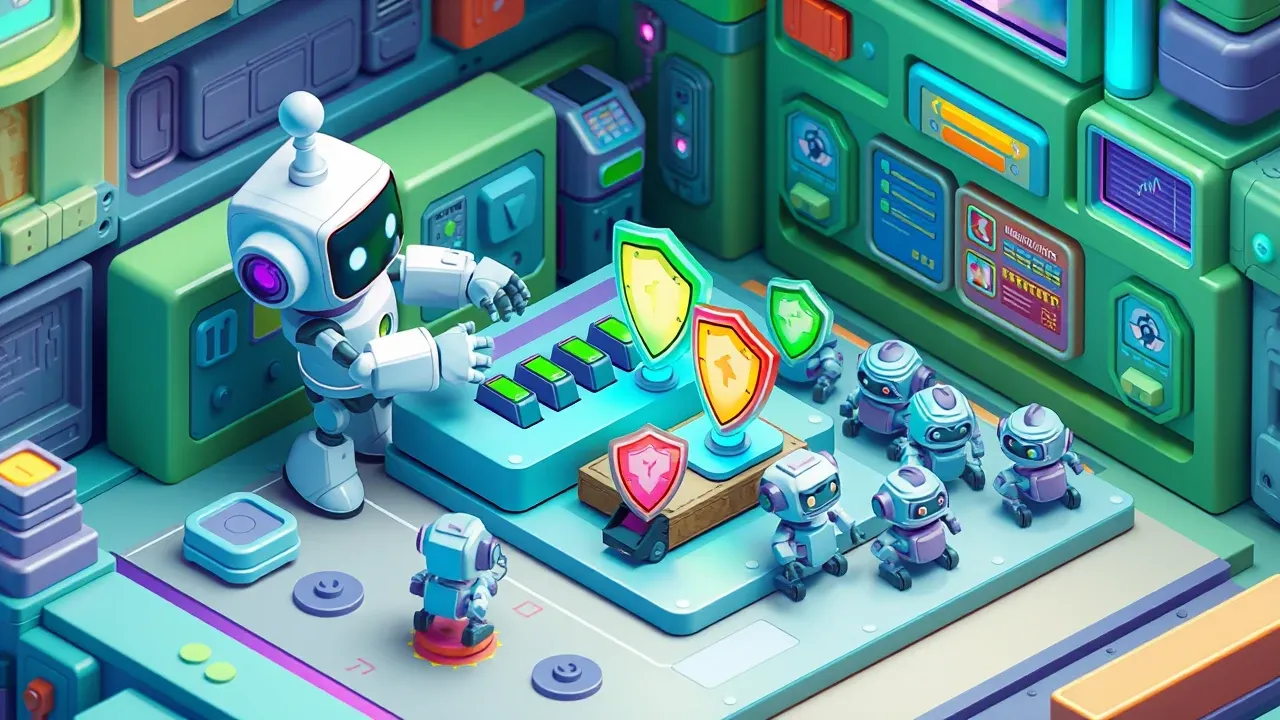
Here is the trap. Many companies treat a guardrail as code: each agent gets its own checks, written by hand, maintained by someone in IT. It works until the company has five agents and nobody remembers which rules apply to which.
The approach that scales is to treat guardrails as central configuration, not per-agent code. Instead of programming protection inside each agent, you turn the guardrails on at the environment level and they apply to every agent at once. Changed a compliance rule? Change it in one place and it holds for the whole company.
Three steps to go from zero:
- Define what must not happen. List, per team, the three answers that would be a disaster (promising what does not exist, leaking customer data, advising outside what is allowed). That becomes your guardrail list.
- Ground the agent in your knowledge. Upload the company’s base and require the agent to answer from it. Half of hallucinations disappear once the model has something to lean on.
- Turn protection on at the environment, not the agent. PII, compliance, and tone as layers that apply to all. That way you audit and adjust them in one place.
Guardrails are what separate an AI experiment from an AI operation. If you want agents that can talk to customers without giving you a headache, they need to be born inside an environment that protects by default. SquadOS brings native guardrails (anti-hallucination, PII, compliance, and tone of voice) that apply to all your agents at once, with every conversation audited in a central hub. You turn protection on once, and it follows every agent the company creates.