10 HR Processes You Can Automate with AI (No Code)
HR spends too much time on repetitive tasks. See 10 HR processes you can automate with AI today, no code required, from recruiting to offboarding.
SquadOS Team · June 2, 2026 · 5 min read
HR is the department that answers the same question most often. “How many vacation days do I have?”, “how do I file a reimbursement?”, “when does the benefit hit?”. Add the triage of hundreds of resumes, the onboarding of every new hire, the usual paperwork. It is important work, but a lot of it is repetitive, and repetitive is exactly where AI shines.
The good news: you can offload a lot of it today, without writing a line of code. Below are 10 HR processes an AI agent handles well, organized from the start to the end of the employee journey. This is not about replacing the HR team. It is about giving their time back for the work that needs humans: taking care of humans.
Why HR is the perfect department for AI automation
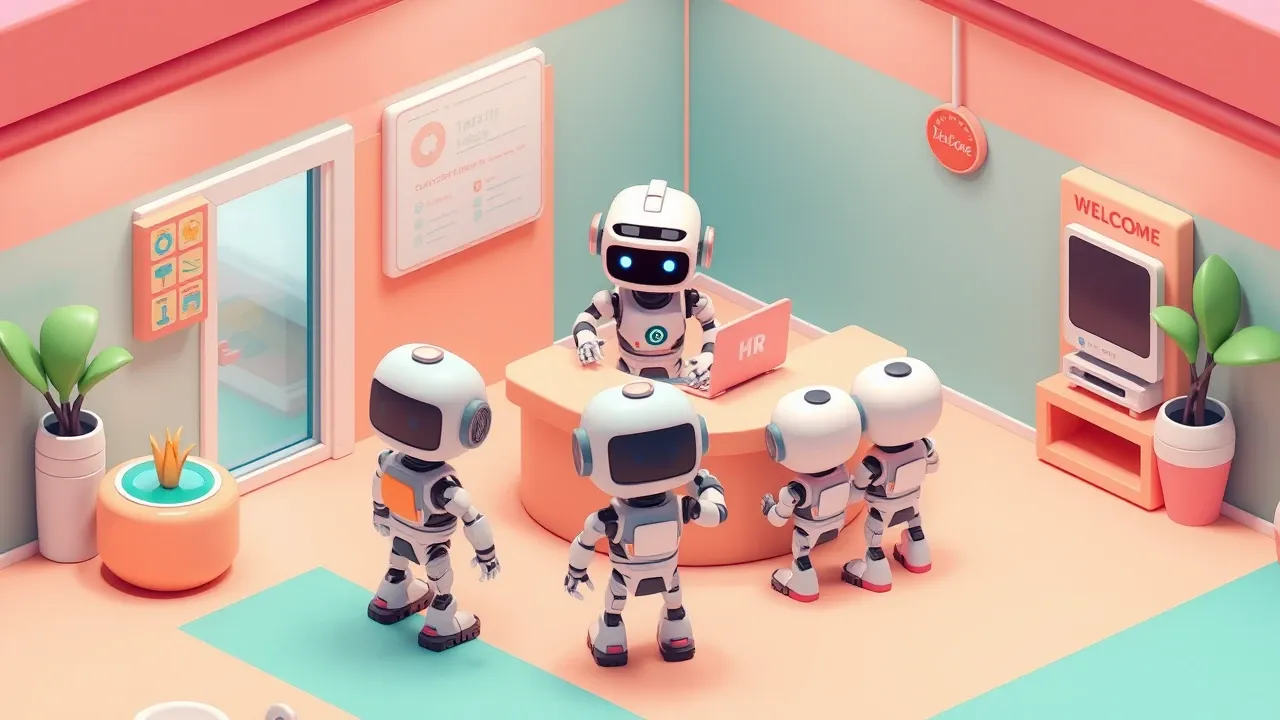
HR combines the three conditions that make AI worth it: high volume, repeated questions, and documented knowledge. The policies, the benefits, and the procedures are already written down somewhere. The problem is nobody can find them, so they ask HR.
An AI agent grounded in those documents answers instantly, in the company’s tone, around the clock. The gain is not just speed. It is the HR team no longer being a human help desk and getting back to the strategic work that always slipped to later. Every repeated question AI resolves is half an hour returned to HR to take care of actual people.
And the best part: you do not have to automate all ten at once. Start with whatever eats the most time today and add the rest later.
Recruiting and selection: 3 processes to offload
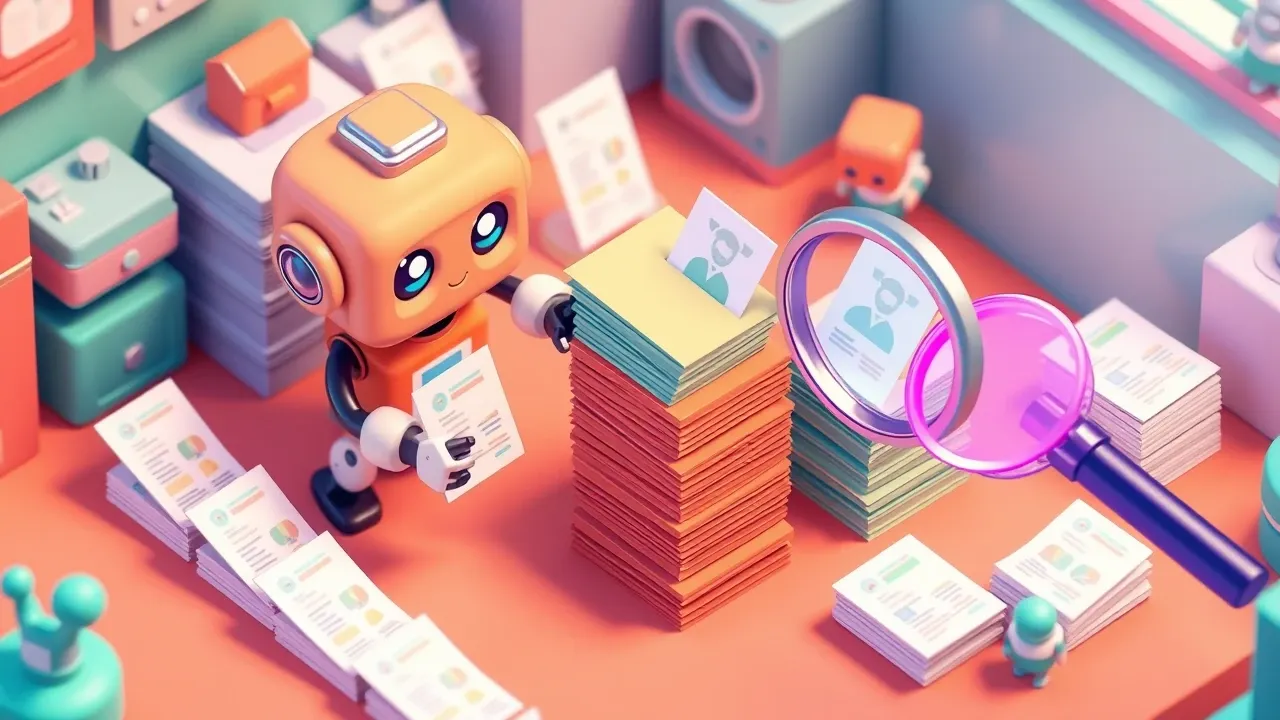
The top of the funnel is where HR drowns in volume the most. Three processes come off your plate easily:
- Resume screening. AI reads incoming resumes, compares them to the role requirements, and ranks them by fit. The recruiter reviews a prioritized list instead of hundreds of PDFs in the dark. Important: AI screens and suggests, the decision stays with the person, so the filter does not turn into automated bias.
- Interview scheduling. The agent talks to the candidate, offers open slots, and books, without the ten-email back and forth. The calendar bottleneck disappears.
- Candidate replies. Answering questions about the role, the process, and the application status, instantly. Candidates stop being left in the void and the employer brand thanks you.
Onboarding and employee support: 4 processes
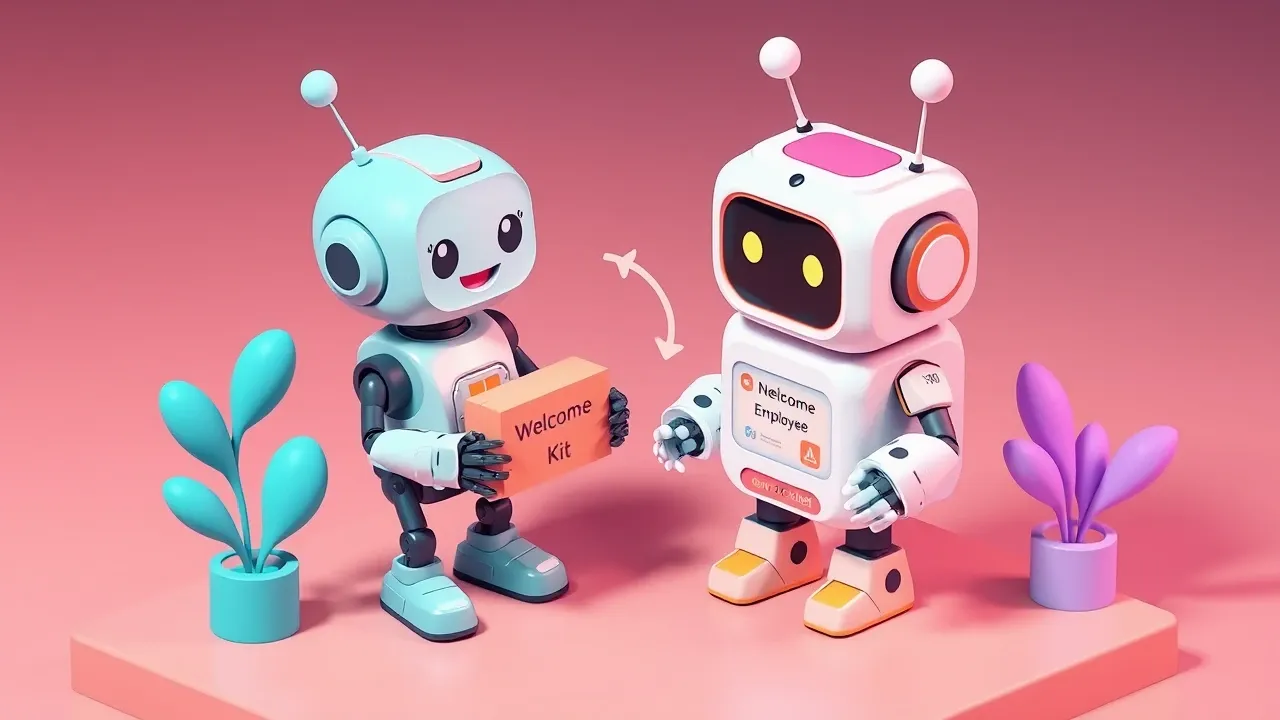
Once someone joins, HR becomes a constant point of reference. Four day-to-day processes can run on their own:
- Guided onboarding. A welcome agent walks the new hire through the first days: what to sign, where to find things, who to talk to. The experience is the same for everyone, with no dependence on who happens to be free.
- Policy and benefits FAQ. Vacation, benefits, remote work, reimbursements. The questions HR answers a thousand times a month get answered instantly, based on official documents.
- Internal HR helpdesk. Simple requests (a payslip copy, a data update, opening a ticket) resolved in conversation, and only what needs a human reaches a person.
- Document collection and review. The agent reminds, receives, and checks admission paperwork and record updates, cutting the back and forth.
Engagement, development, and exit: 3 processes

The journey does not end at onboarding. Three processes across the employee lifecycle also welcome AI:
- Engagement surveys and feedback. The agent collects responses in conversation (more people answer than in a cold form) and summarizes the themes that came up, so HR can act on what matters.
- Training recommendations. Based on the role and the questions a person brings, AI suggests the right learning path and answers questions about the courses.
- Offboarding. When someone leaves, the agent runs the exit checklist (returns, access, documents) so nothing slips, and conducts the exit interview consistently.
That is ten processes, but the pattern is always the same: a repeated task, with a document-based answer, that does not need human judgment for most cases. That is the kind of work AI does well and the team would rather not do.
None of this requires an IT project or knowing how to code. With SquadOS, you create an HR agent by chatting: describe what it should do in AgentMaker, upload the policies and benefits as a knowledge base, connect WhatsApp or the internal channel the team already uses, and the agent goes live with guardrails on. Start with one process, the one that drains you most today, and add the other nine at your own pace.