
Shadow AI: The Risks of Personal ChatGPT at Work
Shadow AI is when your team uses personal ChatGPT with company data, off the radar. See the real risks and how to bring that usage into a governed setup.
SquadOS Team · June 1, 2026 · 7 min read
AI is already inside your company. The only question is whether it came through the front door or the window.
When there is no official tool, everyone solves it on their own. They open personal ChatGPT, paste in the report, the contract or the payroll sheet, grab the answer, and move on with the day. It looks like productivity. And it is, until the bill arrives. That invisible usage has a name, shadow AI, and it’s now one of the biggest data risks inside companies. The good news: you can fix it without becoming the villain who bans everything.

What shadow AI is
Shadow AI is any use of artificial intelligence that happens outside the company’s control and visibility. A personal ChatGPT account, a tool IT never approved, a browser extension that summarizes email, an agent someone wired up over the weekend to automate their own job.
The name comes from the “shadow IT” of years past, when every team installed whatever software it wanted, far from IT. The difference is what escapes. With shadow IT, the problem was an unapproved program. With shadow AI, what walks out the door is the data: contracts, payroll, source code, your customer base, your strategy. All pasted into a text box the company doesn’t control, doesn’t log, and often doesn’t even know exists.
And it isn’t one rebellious employee. It’s the norm. When the official tool doesn’t exist or is bad, the team doesn’t stop working. It improvises.
Why shadow AI exploded now
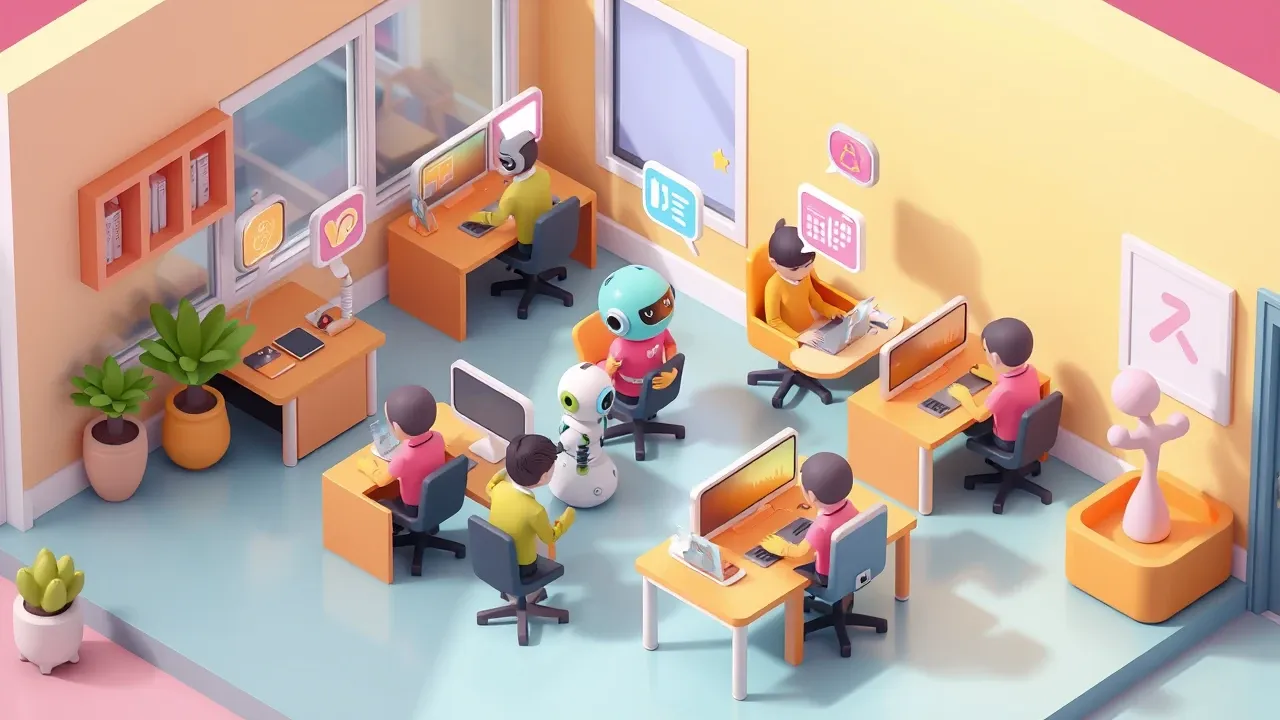
Shadow AI grew because good AI became free and easy before companies had an answer ready.
Three forces push it:
- The consumer tool is too good to ignore. Personal ChatGPT solves in seconds what used to take half an hour. Asking an employee not to use it is asking them to work worse on purpose.
- The company is slow to offer an official alternative. While leadership debates policy and budget, the team has already adopted the tool on its own.
- It’s invisible by design. No install, no license, no line in any report. It runs in the browser, on a personal account, on a phone. Nobody sees it.
The result is an entire company using AI every day, with no one able to say who uses it, for what, with which data.
The 4 real risks of personal ChatGPT at work
The risk of shadow AI isn’t theoretical. There are four concrete problems, and all of them land on the company, not the employee.
1. Data leakage
Confidential information pasted into a personal account leaves the company’s perimeter. On many consumer services, free-tier content can be used to train the model. Which means your contract could show up as an example in someone else’s answer. And even without training, the data already landed somewhere you don’t control and can’t reliably delete.
2. Zero traceability
With no record of who asked what, you can’t audit anything. And auditing isn’t bureaucracy. It’s what lets you act when something goes wrong: find out what leaked, when, and through whom. Without a log, an incident becomes your word against the unknown.
3. Compliance lands on the company
Personal data processed by AI falls under privacy law, like GDPR or Brazil’s LGPD. The one who answers to the law is the company, not the employee who pasted a customer’s ID into the chat. Without governance, proving compliance is impossible, because you don’t even know what’s being processed.
4. Invisible, uncontrolled cost
Everyone paying for their own subscription, or worse, using free versions with company data, is the opposite of saving money. Add dozens of scattered subscriptions and you get a cost nobody totals, nobody negotiates, and nobody optimizes.
Signs your company already has shadow AI
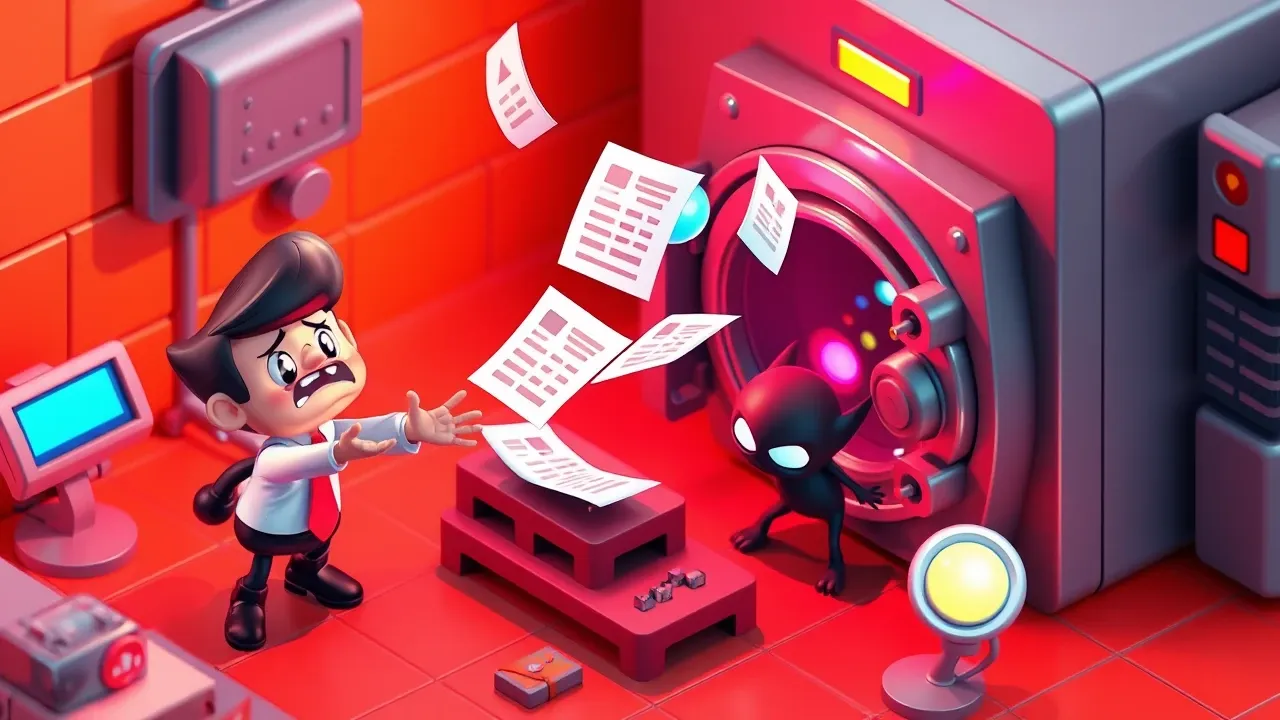
If you’re wondering whether you have shadow AI, you probably do. A few telltale signs:
- No one in leadership can say how many AI tools the team uses today.
- There’s no written policy on what can and can’t be pasted into an AI.
- Employees casually say “I threw it into ChatGPT” in meetings.
- There’s no single place where AI conversations are logged.
- The company’s answer to AI, so far, has been “we’re still looking into it.”
Checked two or more? Shadow AI is already part of your operation. The choice isn’t whether AI gets used. It’s whether it gets used with or without control.
Why banning it doesn’t work
Blocking ChatGPT at the firewall looks like the safe answer. It isn’t. Banning doesn’t remove AI from the company. It just pushes it deeper into the shadows.
The employee who needs the tool to deliver will use it from a phone, on 4G, out of IT’s reach. Now you have the same risk as before, with one detail that’s worse: you lost even the chance to see it happening. Banning without an alternative doesn’t reduce shadow AI. It grows it.
How to control it without banning AI
The way out is simple to state and takes a decision to execute. Offer a front door that’s better than the window. When the official path is easier and faster than the personal shortcut, shadow AI dries up on its own.
In practice, five moves:
- Give people a single, governed hub. One official place where the team talks to AI, with the good models available, on the company’s terms. If the official tool is good, no one needs the shortcut.
- Log everything. An audit trail for every conversation, so you know who used what and can respond to any incident.
- Charge by usage, not per seat. That way no one is pushed out of the system just to save a license. Everyone fits inside.
- Turn on guardrails. Native protection against PII and sensitive-data leaks, so a human slip doesn’t become an incident.
- Write the policy and share it. One page stating what’s allowed, with which data, in which tool. Clarity kills the “everyone does their own thing.”
That’s exactly the shape of a platform like SquadOS: a governed internal hub with audit trails, usage-based pricing, and built-in guardrails, instead of scattered accounts. Shadow AI doesn’t disappear because you banned it. It disappears because the official path became the easy one.
The choice that’s left to you
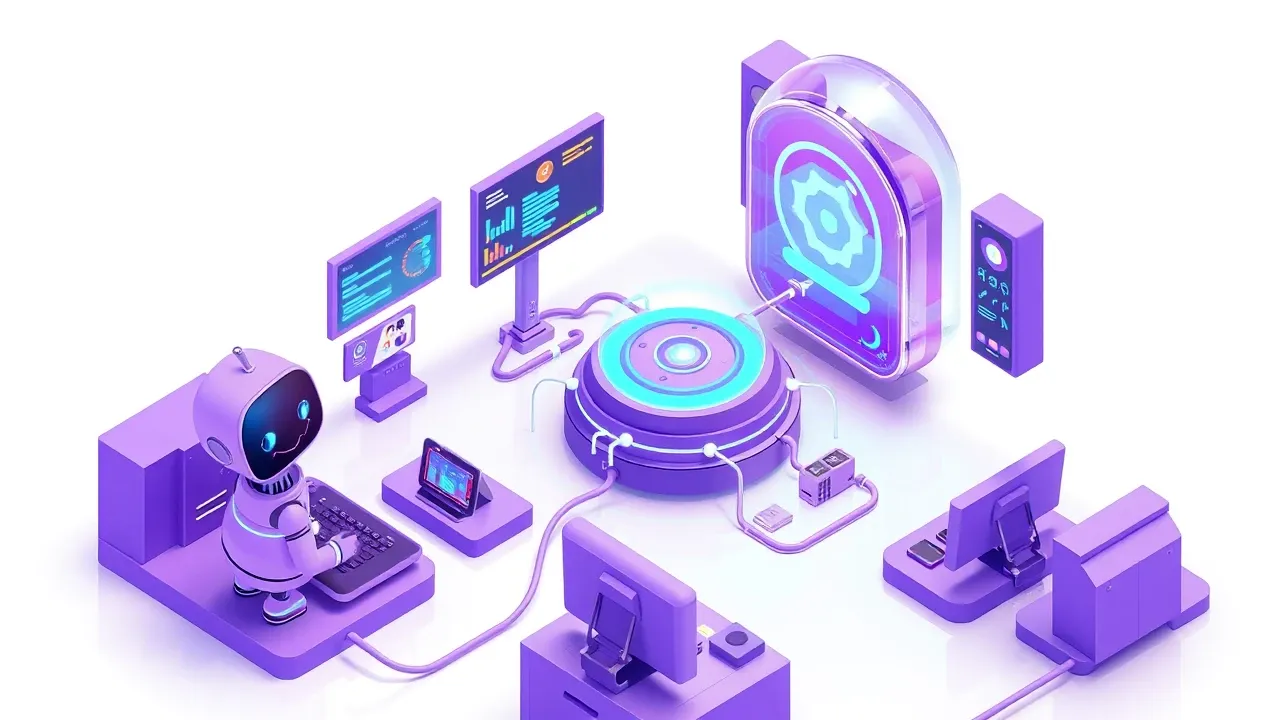
Shadow AI isn’t a problem of employee discipline. It’s the symptom of a gap the company hasn’t filled yet. The team will use AI either way, because it works. Your job isn’t to stop it. It’s to give an official path so good that the dangerous shortcut loses its appeal.
The companies that move first trade invisible risk for an advantage they control. The ones that wait keep betting that nobody pasted anything important in the wrong place. For now.
When you’re ready to give your team that official path, SquadOS is built for exactly this: a governed internal hub, with an audit trail for every conversation and native guardrails, instead of scattered accounts.